




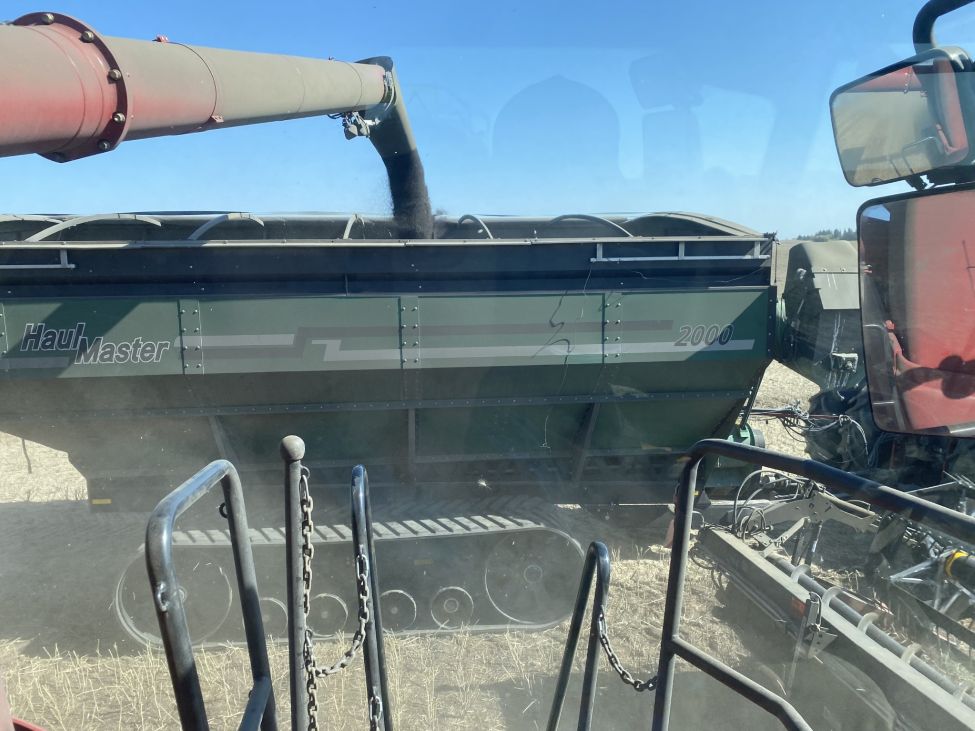
Disease pressure and unseeded acres took a toll on 2026 canola crops in the wetter regions of eastern Saskatchewan and western Manitoba.
(The following story was written by Glenda-Lee Vossler with SwiftCurrentonline.com)
Prairie canola growers faced a much different growing season in 2026 than they did a year earlier.
According to Jay Whetter, Manager of Knowledge and Technology Transfer with the Canola Council of Canada, excessive moisture throughout large areas of Western Canada created significant production challenges, particularly in Manitoba and parts of Saskatchewan and Alberta.
Whetter says some farmers were unable to seed all of their intended canola acres because fields remained too wet throughout the spring.
“Large areas of Manitoba were too wet to even get the crop planted, and there were wet pockets in northeast Saskatchewan and parts of Alberta as well,” said Whetter.
Yields fall short of 2025
While some producers harvested respectable crops, Whetter says overall yields generally did not match the exceptional results seen in 2025.
The combination of delayed seeding, saturated soils and disease pressure limited yield potential in many areas.
Despite the production challenges, crop quality held up better than some had feared.
Early concerns about sprouting and weather-related quality issues did not become a widespread problem by harvest.
Disease issues emerge across the region
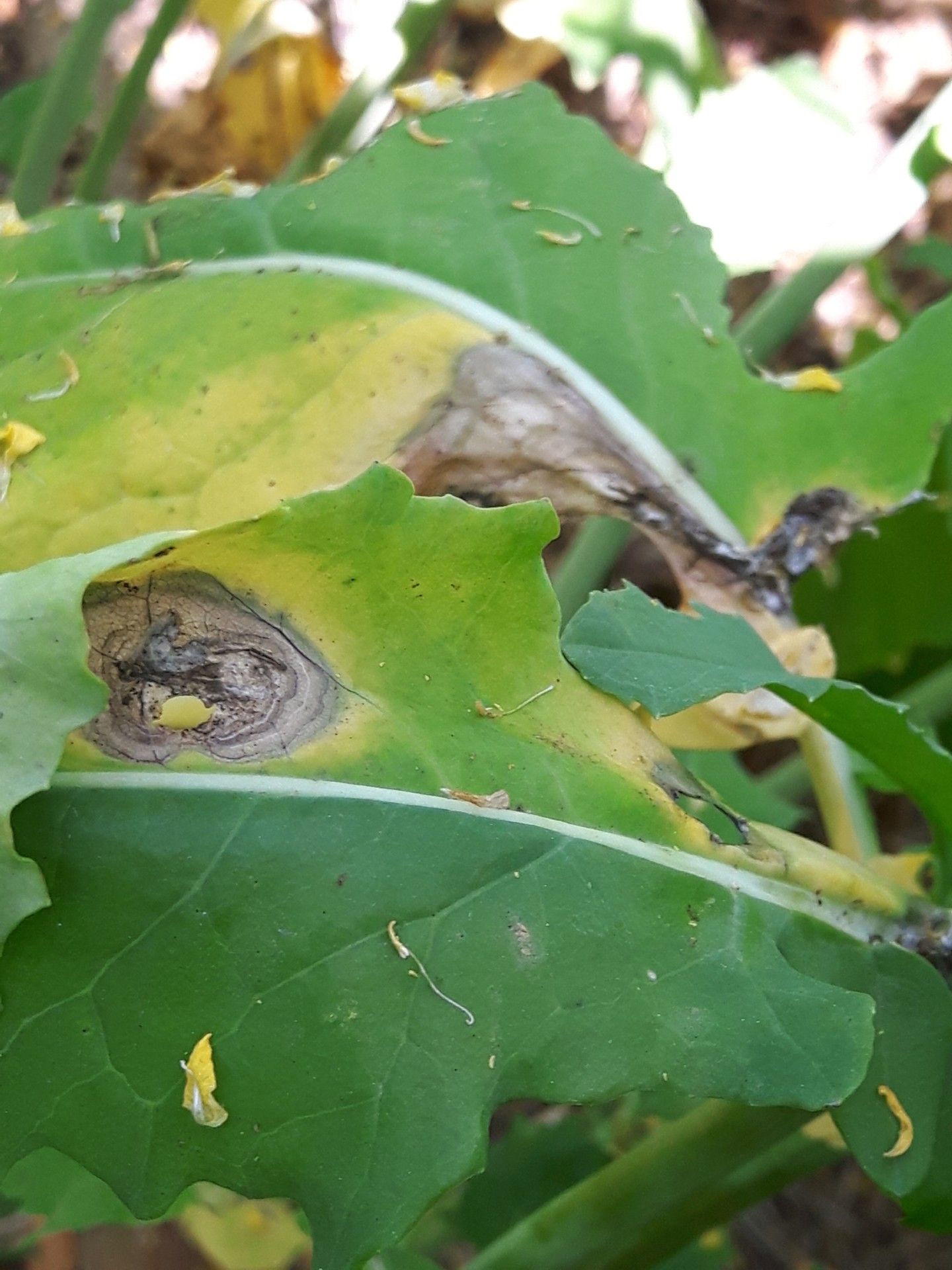
The wet growing conditions also contributed to increased disease pressure in canola fields across the Prairies.
Whetter says growers and researchers observed higher levels of several diseases during the season, including sclerotinia, verticillium stripe and clubroot.
Manitoba saw notable incidences of verticillium stripe, while sclerotinia was reported in many canola-growing regions. Clubroot also continued to show up in provincial surveys.
Harvest lessons to be discussed at Canola Week

Many of the production challenges experienced in 2026 will be highlighted during Canola Week 2026, scheduled for Nov. 24-26 in Calgary.
Whetter co-chair of the event says this year’s theme focuses on “Emerging threats to canola production and profitability on the Canadian Prairies”.
The three-day event will cover pests, regulations, climate and more, with discussion on current and future status, the latest scientific findings, future growth and innovation.
Researchers, agronomists, extension specialists and growers will discuss weather-related challenges, disease management, crop protection issues and opportunities to improve canola productivity in future growing seasons.
Registration is open, with options to attend in-person or virtually. Visit the Canola Week 2026 website to view the speaker lineup, agenda and register.