



Eleven cases of Dutch elm disease were confirmed in various Saskatoon neighbourhoods this summer which the Superintendent or Urban Forestry says is about double what they normally find. Cate Francis says it’s concerning because the disease can spread quickly and exponentially, and if that happens, all of the elm trees are at risk, and that’s about 25 per cent of Saskatoon’s urban forest.
She cautions that communities with Dutch elm disease challenges are very close to Saskatoon, noting it is in Melfort and Outlook. Francis advises the way to stop the spread is to report an elm tree you suspect may have the disease and if you are unsure what type of firewood you have, take a picture and complete an online form. She says the major way the disease is spread is through the improper storage of elm wood in the city. “It’s illegal to store elm wood in the city or to transport it anywhere. That’s how the disease is spread, so do not bring firewood from outside of the city. Get rid of it immediately. Dispose of it properly. Right now, it’s free for residents to dispose of elm wood at the Landfill.” How to identify Dutch elm disease is with this story online.
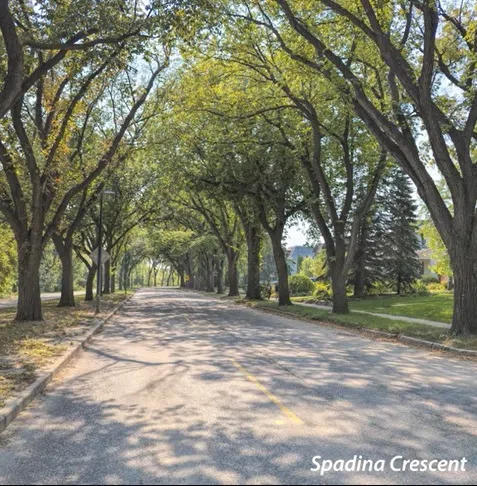
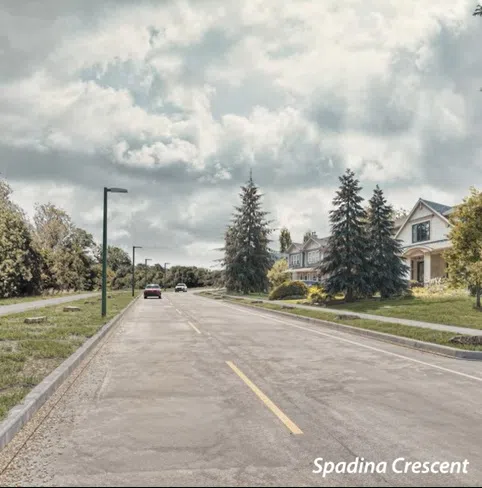
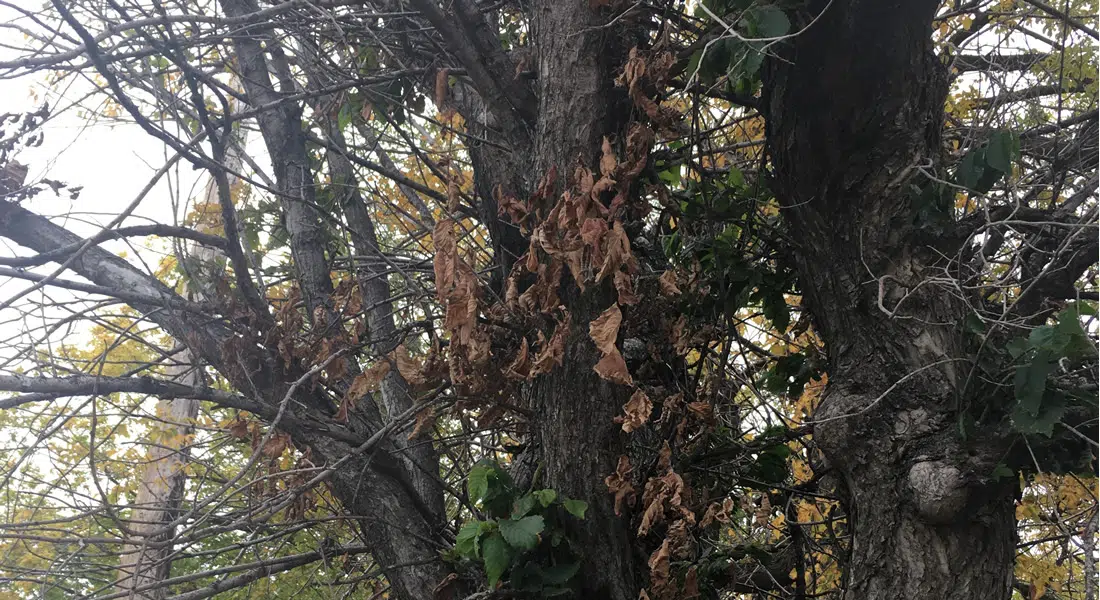
The disease is spread by elm bark beetles which can fly farther than two kilometres in search of elm trees. Symptoms to watch for: typically, the leaves will start to wilt and turn yellow, then curl and turn brown. To request a tree inspection or identify elm wood, please complete the online form by clicking here on the city’s website or call Urban Biological Services at 306-975-2890. Click here to view a video of what Spadina Crescent would look like without elm trees.
With elm trees as it appears now Without elm trees