




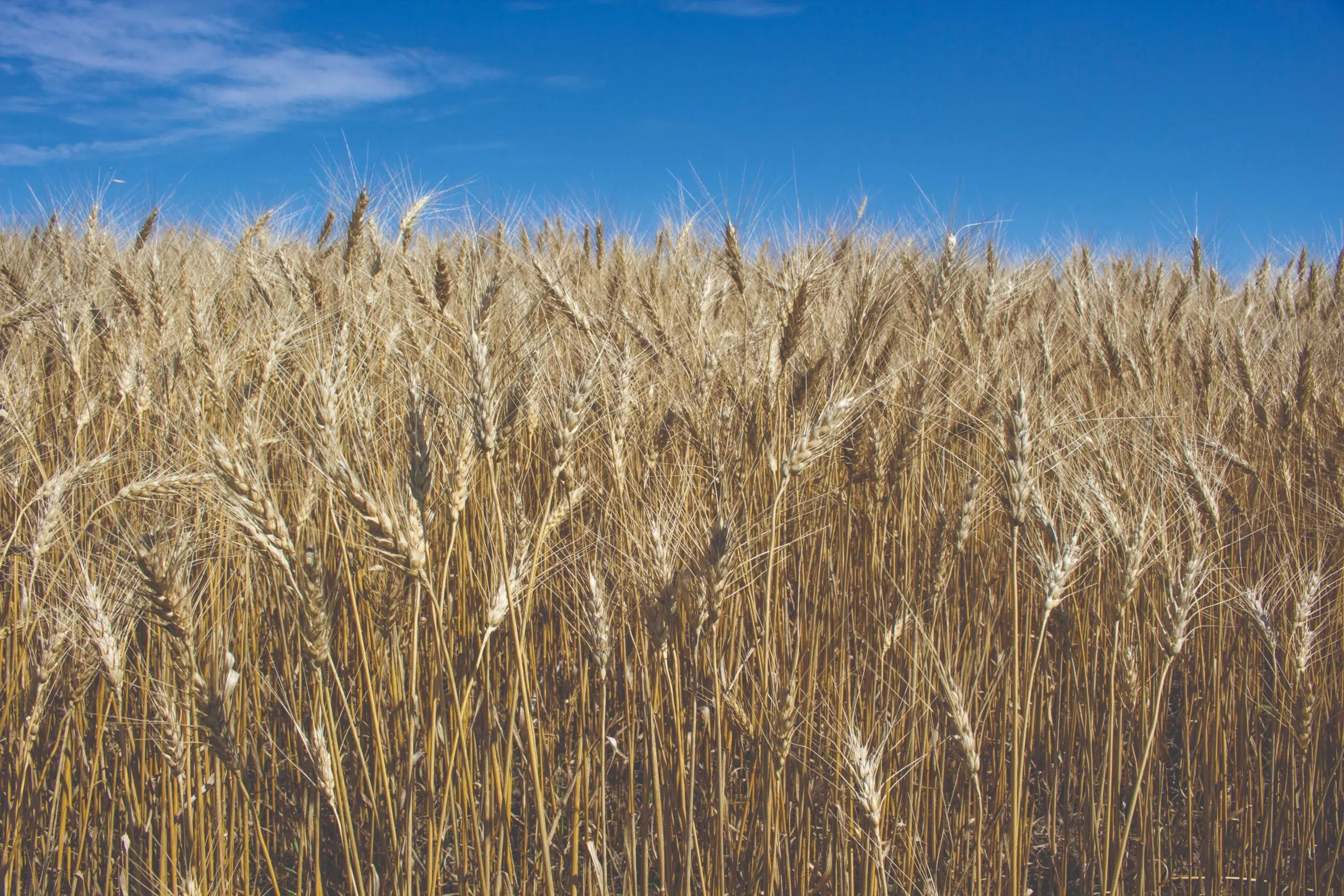
The Statistics Canada Acreage report shows wheat area increased in Saskatchewan, 6.9 per cent to 14.2 million acres, as spring wheat area rose 10.0 per cent to 9.1 million acres and durum wheat area grew 2.2 per cent to 5.0 million acres.
Alberta producers reported planting 7.9 million acres of wheat, up 4.4 per cent from 2022, led by greater spring wheat area, which increased 6.4 per cent to 6.8 million acres in 2023. Durum wheat area in the province fell 8.3 per cent to 996,800 acres.
Farmers in Manitoba reported that total wheat seeded area increased 7.2 per cent to 3.3 million acres.
Farmers reported planting 22.1 million acres of canola in 2023, up 3.2 per cent from the previous year. Statistics Canada suggests the greater area may be the result of relatively favourable prices.
Farmers in Saskatchewan reported planting 12.4 million acres of canola, up 8.8 per cent from 2022.
In Alberta, farmers reported planting 6.4 million acres of canola in 2023, down 2.4 per cent from the previous year.
Seeded area in Manitoba decreased 4.7 per cent to 3.1 million acres.
Soybean area rose 6.8 per cent to 5.6 million acres in 2023, in line with the five-year average.
In Ontario, where more than half of the country’s soybeans are grown, farmers reported planting 2.9 million acres of soybeans, down 5.4 per cent from one year earlier.
Manitoba farmers reported a greater soybean area, increasing 40.6 per cent to 1.6 million acres. Statistics Canada says producers in the province may have opted to plant more soybeans because of record yields in 2022.
Farmers in Quebec reported seeding a record 1.0 million acres of soybeans in 2023, up 4.8 per cent from the previous year.
Farmers reported planting 7.3 million acres of barley in 2023, up 3.9 per cent from one year earlier. The increase in barley seeded area was led by Alberta, where it rose 7.9 per cent to 3.8 million acres. Barley area edged up 0.8 per cent to 2.8 million acres in Saskatchewan, while it decreased 2.1 per cent in Manitoba.
Farmers reported planting fewer oats, down 35.6 per cent to 2.5 million acres, the lowest oat acreage on record. Producers may have opted to seed less area with oats because of high national supply that resulted from strong production in 2022.
In Saskatchewan, the largest oat-producing province, planting fell 45.3 per cent to 1.0 million acres in 2023. Producers also reported lower areas in Alberta (-25.9 per cent) and Manitoba (-30.4 per cent).
At the national level, farmers reported seeding more corn for grain in 2023 compared with the previous year, rising 5.5 per cent to 3.8 million acres, led by higher seeded area in Manitoba (+46.3 per cent to 553,900 acres).
In Ontario, where roughly 60 per cent of all corn for grain is grown, farmers reported a 0.7 per cent decrease in seeded area, down to 2.3 million acres.
In Quebec, corn for grain area edged up 0.7 per cent to 898,300 acres compared with 2022.
Lentil and dry pea areas decrease
Canadian farmers reported planting 3.7 million acres of lentils in 2023, down 15.1% from one year earlier and the lowest level since 2014.
Nationally, farmers reported seeding 9.7 cent less area with dry peas compared with 2022, falling to 3.0 million acres. Dry pea area in Saskatchewan decreased 11.7% to 1.6 million acres, while seeded area in Alberta fell 4.7 cent to 1.3 million acres.
The June 2023 Field Crop Survey, which collects information on field crop seeded areas in Canada, was conducted from May 15 to June 12, 2023, with approximately 25,000 farms. They were asked to report their seeded areas of grain, oilseeds and special crops.
June seeded acres are subject to updates from subsequent surveys during the current crop year. Data on final acreages for 2023 will be released on December 4, 2023, and will be subject to revision for two years.