



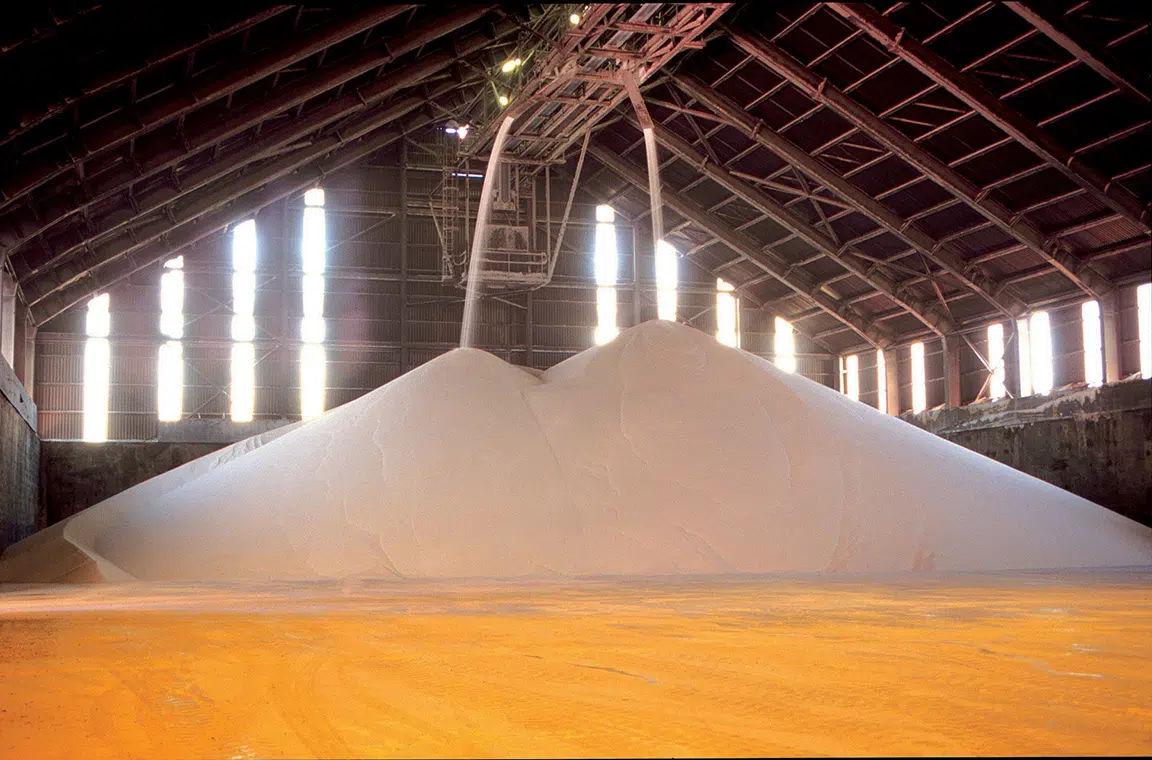
The company has set a goal of 18 million metric tonnes annually by 2025—up from the current capacity of 15 million tonnes.
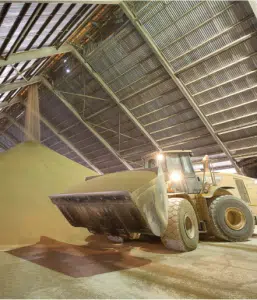
Photo from Nutrien website
“When we think about increasing capacity, we do a remarkable amount of math,” said Ken Seitz, Nutrien president and chief executive officer. “Figuring out what those marginal costs are to produce that next tonne at each our mines from an operating cost point of view. What is the capital that needs to be invested at those mines to increase production?”
Seitz told a North Saskatoon Business Association luncheon on Wednesday that the focus is on the Vanscoy, Allan and Lanigan mines for the additional production. Nutrien has six potash mines in Saskatchewan and also has 4,000 employees in the province. It owns the largest potash mine in the world at Rocanville, which is operating at close to capacity.
Seitz says Nutrien is a low-cost potash producer, adding it is important to maintain that advantage in the future.
Global fertilizer production has been a concern since the beginning of the Russia/Ukraine war in February. Russia and its close ally Belarus, accounted for about 40 per cent of world potash production prior to the war. Seitz estimates Russian production will decline 50 per cent and Belarus 65 per cent this year.