




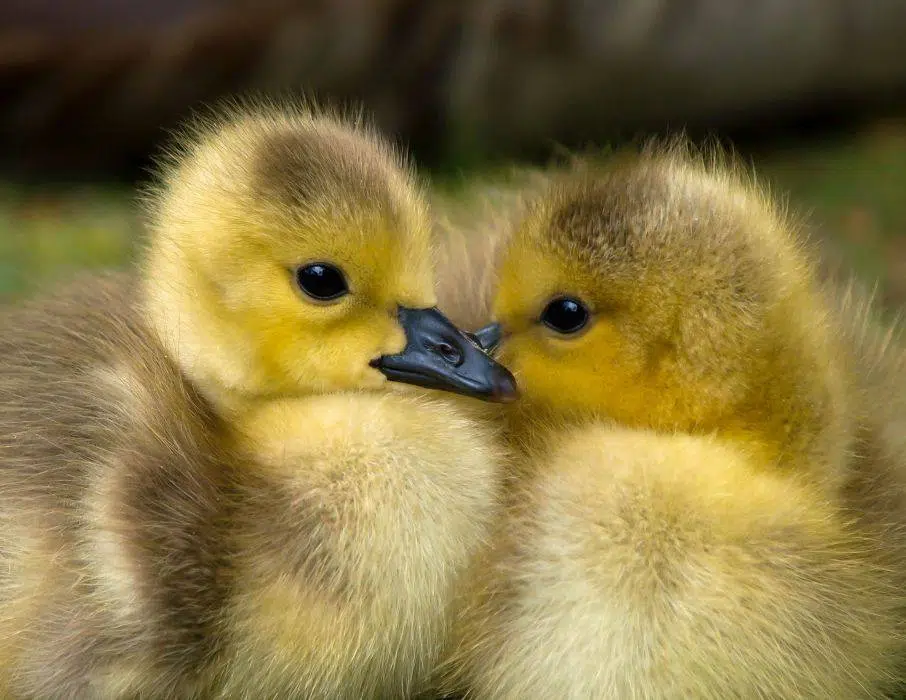
The executive director of Living Sky Wildlife Rehabilitation has advice if a duck has decided to nest in your yard. Jan Shadick says if you are concerned about where the mother duck and family are going to find water after the ducklings are born, and think it might be a dangerous route, call the Wildlife Rescue Society of Saskatchewan prior to the eggs being hatched.
If the route seems fairly straight forward, without traffic, curbs, sewer grates and cats and dogs, just make sure your gate is open once the ducks have hatched, or you could help escort them safely to water.
Shadick advises that if you have a pond or pool in your yard, the ducklings will need to have a way to get out of the water. They are not waterproof when they are young and if they can’t get out, they will drown. The same thing goes for ducklings in sewer grates. The rescue needs to be quick for the same reason. If you have questions, Shadick says call them or Wildlife Rescue for advice.
Shadick believes more ducks are choosing to nest in urban areas because it may seem safer, away from predators. It also could be because as communities grow, they take over wildlife habitat where the ducks would normally nest.
If you find a baby duck on its own, or any injured wildlife, call Living Sky Wildlife Rehabilitation.
Shadick stresses not to place a lone duckling on a pond in the hopes it will be adopted. She says ducks aren’t like geese. They don’t easily adopt other babies, and if the duckling tries to join the family, the mother duck could peck at it until it drowns.