



A Saskatoon-based mining exploration company is expanding its reach both underground and in the sky.
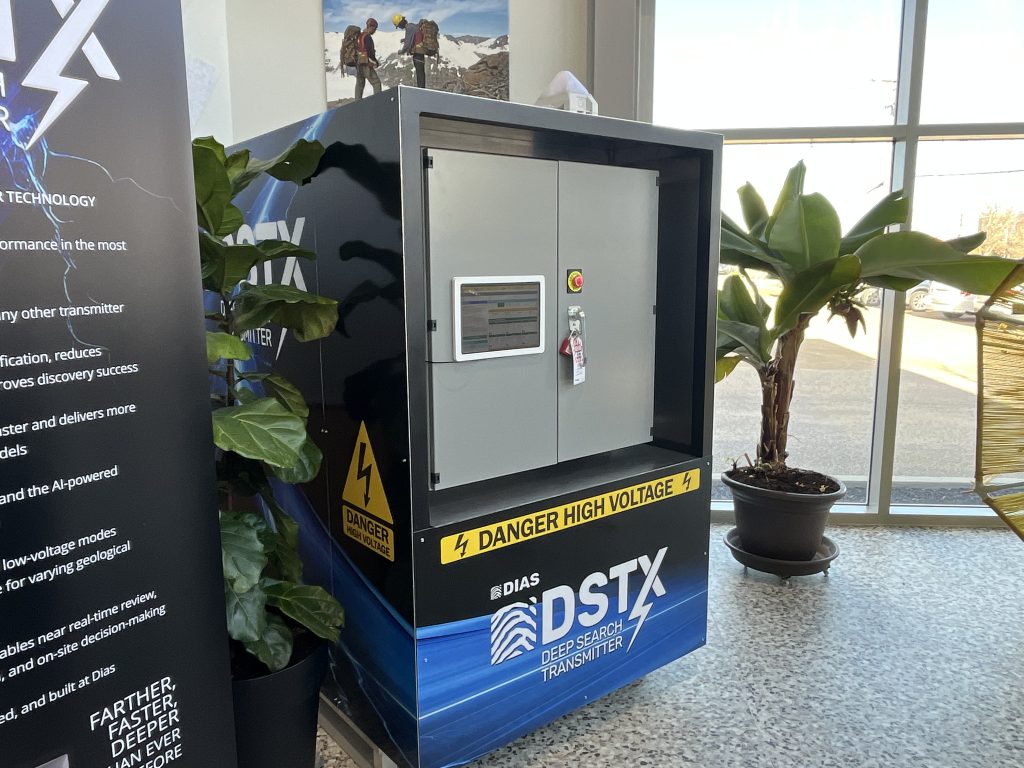
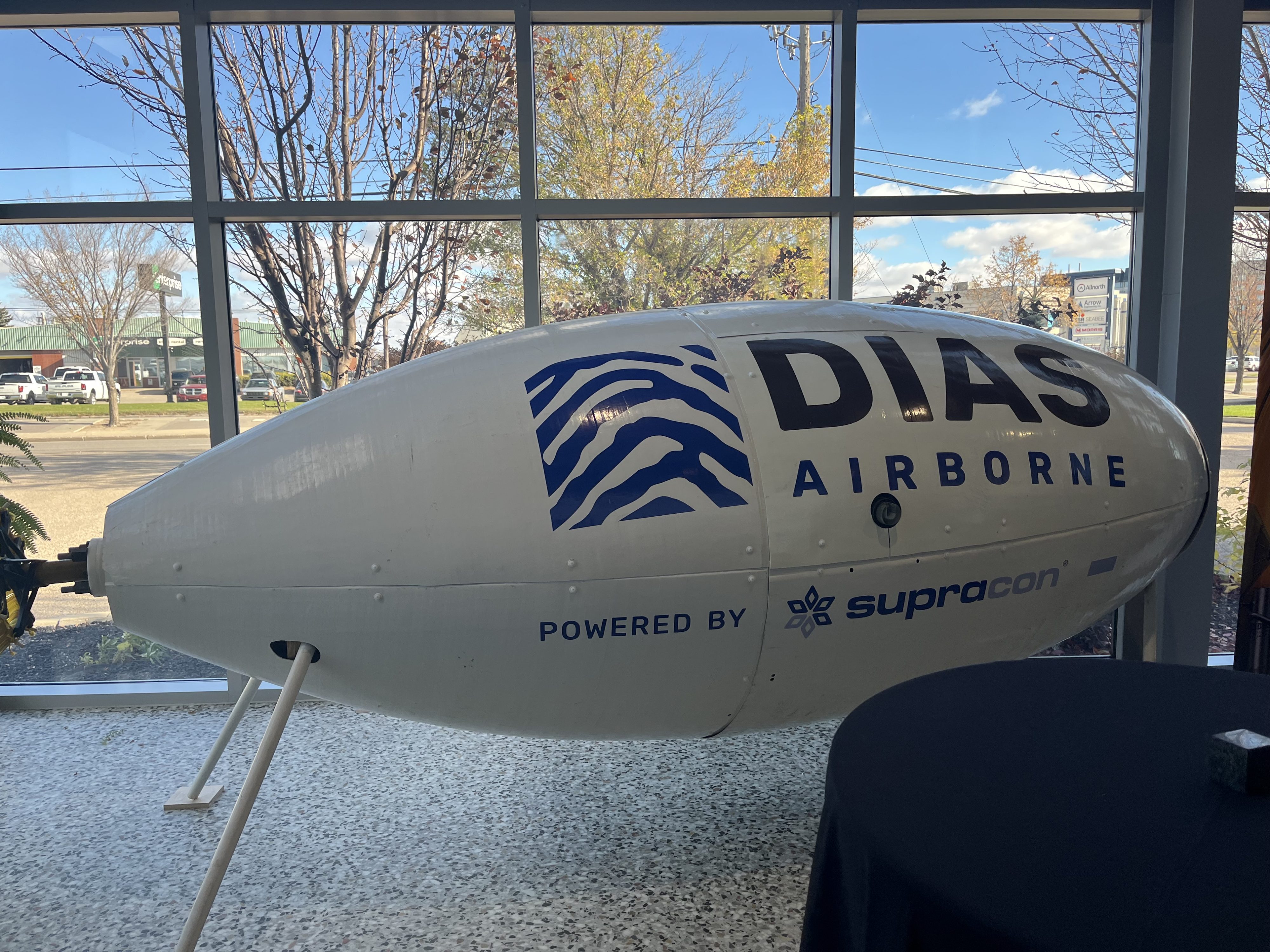
On Thursday, Dias Geophysical unveiled two brand new pieces of technology; the DSTX, a Deep Search Transmitter, and the airborne deposit-seeking QAMT, which utilizes lightning and solar activity.
Dias President Glenn Chubak says the underground DSTX is 2.5 times more powerful than any other device of this kind, allowing for quicker, safer, deeper, and more accurate imaging.
He adds that, “The QAMT system is entirely new. We have nothing in this space already, but it allows us to rapidly, from an aircraft, detect mineral deposits.”
Both systems are able to image well below one kilometre of depth, which Chubak says is two to three times deeper than competing models.
He adds that both of these innovations will save clients time and money.
“Drill holes are very expensive, they have environmental impact, and they take time to do. If you can skip that process because your imaging is better, you’ve shortened that exploration cycle, and you’ve just created value down that whole stream.”
He says the DSTX is effective for copper exploration, while the QAMT is well suited to iron and nickel. The DSTX will make its maiden voyage on Friday, and the QAMT will be on its first commercial job in 30 days.
Dias will be developing between 20 and 30 QAMT systems and between 15 and 20 DSTX systems to serve the global market.