



Giving digital remains the same respect we give physical remains: it sounds like common sense, but is it something we consider in times of grief?
Akshara Dash is a Saskatoon based artist and digital designer. She is currently an artist in residence at BAM Saskatoon, working on an installation about AI, data, death bots, and consent after death.
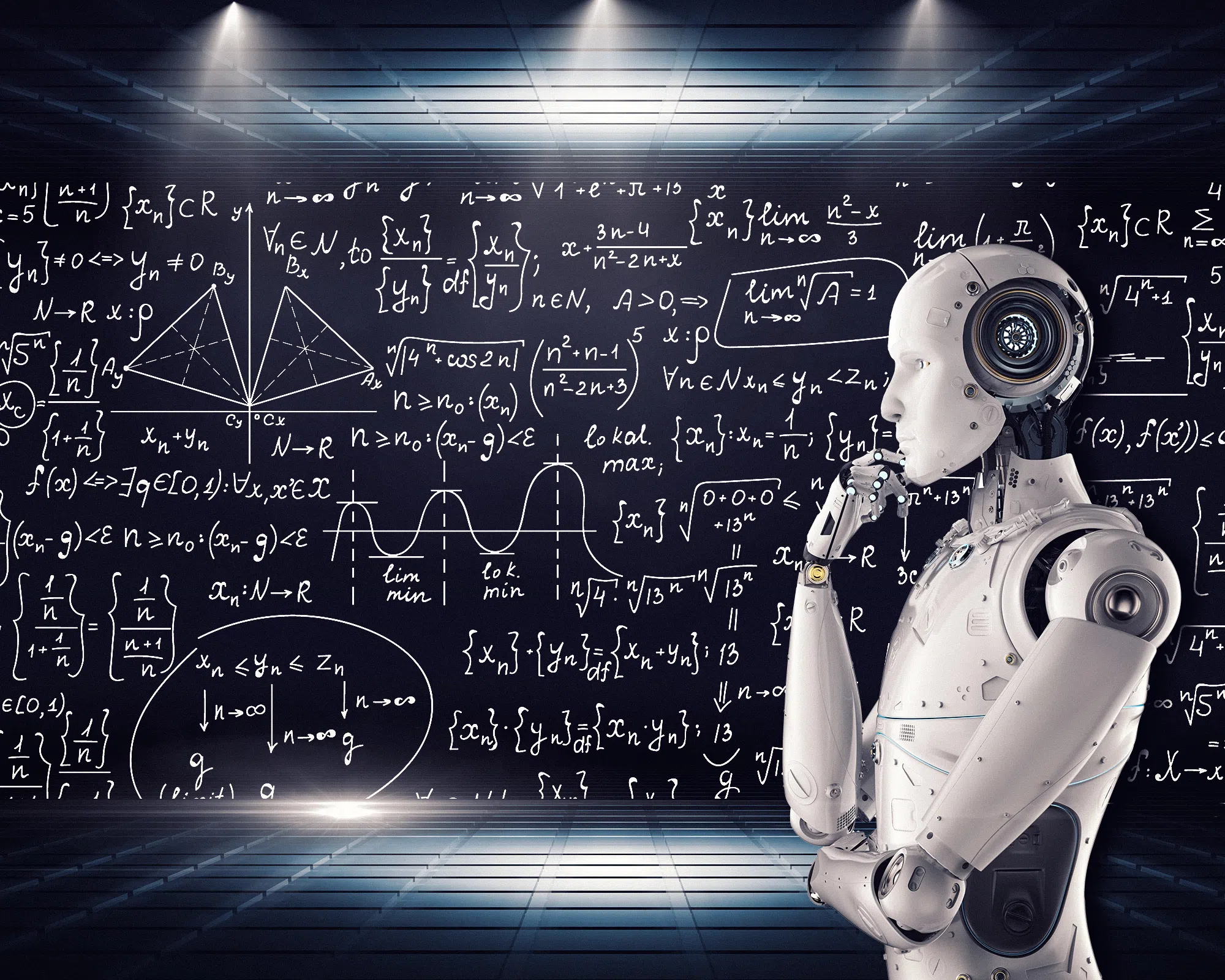
She explains that technology companies are getting involved in the funeral industry with the development of AI death bots, which use a deceased person’s data and images to converse with loved ones in a familiar way.
“For example, your grandma has passed away. You can upload her Facebook profile, pictures, the way she texts, and screenshots into these products, and they will try to replicate your grandma.”
Although these platforms may give temporary comfort, she says the negative impacts could far outweigh the benefits. Dash says conversations with these bots can also lead to hallucinations, psychosis, and even suicide for the people involved, depending on how badly they’re grieving the loss.
“People are getting into psychosis when they’re constantly talking to these chatbots…I think death bots specifically would exaggerate those effects and make the psychosis worse.”
Aside from that, the deceased person no longer has control over their data, and with the current lack of rules and regulations, there is no way to know how it’s being used.
“Big tech can easily target those vulnerable people,” she explains. “I would just urge people to be mindful of what data they’re using from other people.”
To generate conversation and awareness about data, AI, and consent, she is displaying an installation relating to the theme at BAM Saskatoon on 3rd Avenue S. The display will be up between 3 and 6 pm on February 28th.
Dash hopes to get the attention of policy makers, as well, as there aren’t a lot of rules or regulations surrounding the technology yet, such as age or data restrictions.