




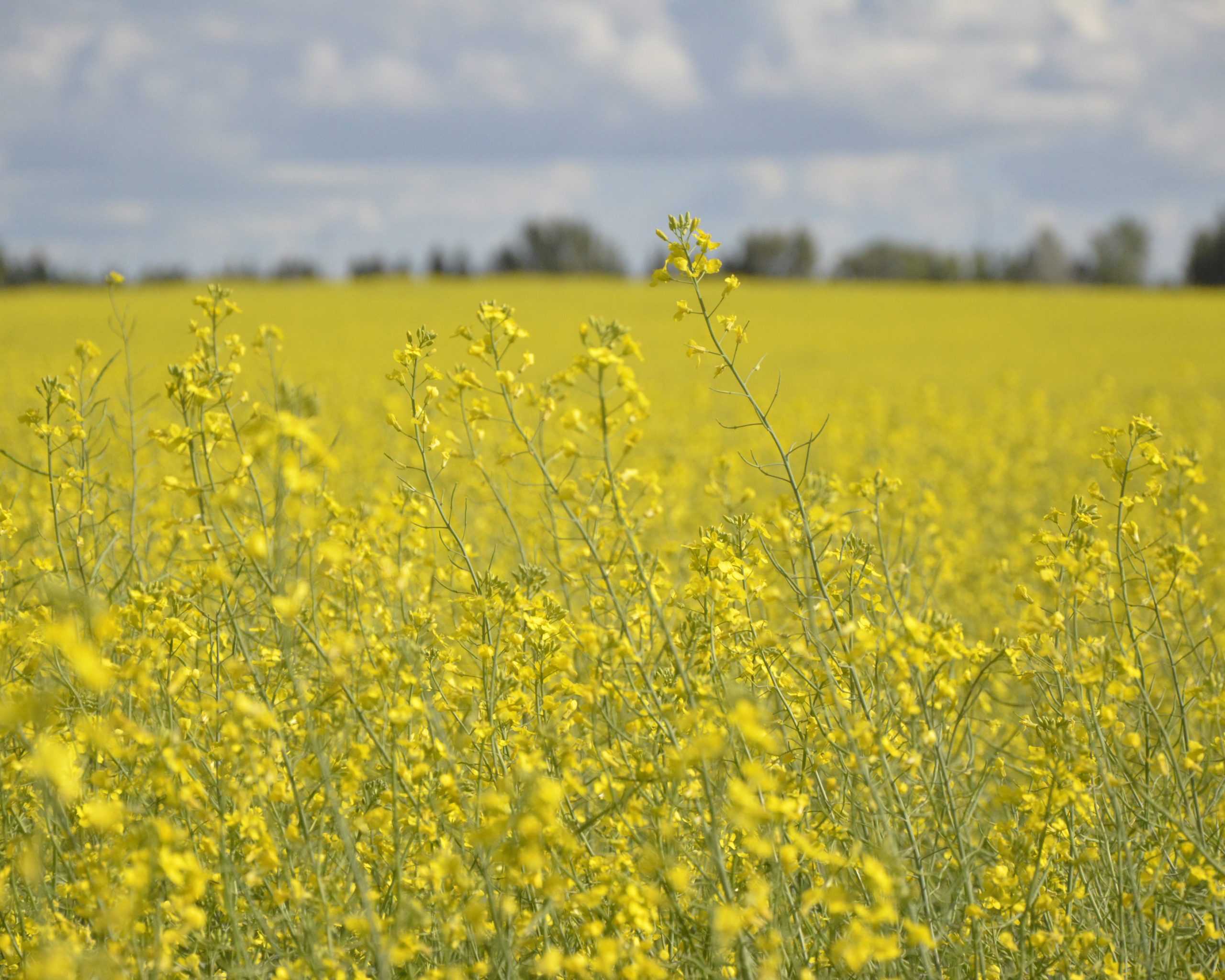
Trade issues with China are impacting seeding decisions.
A Statistics Canada seeding intentions survey projects national canola area will drop 6.6 percent to 21.3 million acres, the smallest area since 2016. Saskatchewan canola areas is pegged to fall five percent to 11.7 million acres.
High ending stocks and lower prices, caused by China’s suspension of Canadian canola seed imports, have impacted growers’ seeding decisions.
“The canola estimates came down a bit more than expected,” says Ken Ball, a broker with PI Financial. “We are going to probably have a record carryover of canola going into the new (crop) year, so it’s good to see acres down a bit.”
Ball is not optimistic about the canola market in the coming months.
“I’m not confident that it is finished going down,” says Ball. “The China situation appears that it will be very difficult to resolve quickly.”
He says it’s going to be a battle for all grains and oilseeds due to surplus global supplies for most crops.
“We are going to need a significant weather issue to emerge and some damage to occur. Of course, we just have to hope that is not in Canada,” says Ball.
The Statistics Canada seeding intentions survey projects spring wheat area to rise 12 percent in Canada and by 15 percent in Saskatchewan. While spring wheat area will rise, durum is pegged to fall more than 15 percent. Italian trade restrictions on Canadian durum, combined with lower prices, could lead to the largest durum area decline since 2010.
Cereal grain crops will have an increased presence in more rotations. Barley area is expected to rise six percent in Saskatchewan and 10 percent on a national basis. Farmers in our province plan to seed 12.5 percent more oats, which would be an additional 175,400 acres.
It’s a mixed bag for pulse crops. Pea acres are pegged to rise 12 percent in Saskatchewan to 2.2 million. On the hand, farmers anticipate planting eight percent fewer lentils at 3.1 million acres. Growers are still being influenced by ongoing Indian tariffs.
The Statistics Canada seeding intentions survey was conducted last month. More than 11,000 farmers supplied information, including 3,745 in Saskatchewan.
This is the link to the Canadian survey numbers. The Saskatchewan totals are listed below:
Canola down 5 percent 11.7 million acres
Spring wheat up 14.7 percent 9.0 million acres
Durum down 15.4 percent 4.2 million acres
Barley up 6.1 percent 2.9 million acres
Oats up 12.5 percent 1.6 million acres
Peas up 12 percent 2.2 million acres
Lentils down 7.9 percent 3.1 million acres
Flax up 11 percent 800,700 acres
Mustard down 13.5 percent 324,800 acres
Canary seed up 16.7 percent 222,500 acres